Chinese Suppliers of Transparent MicroLED

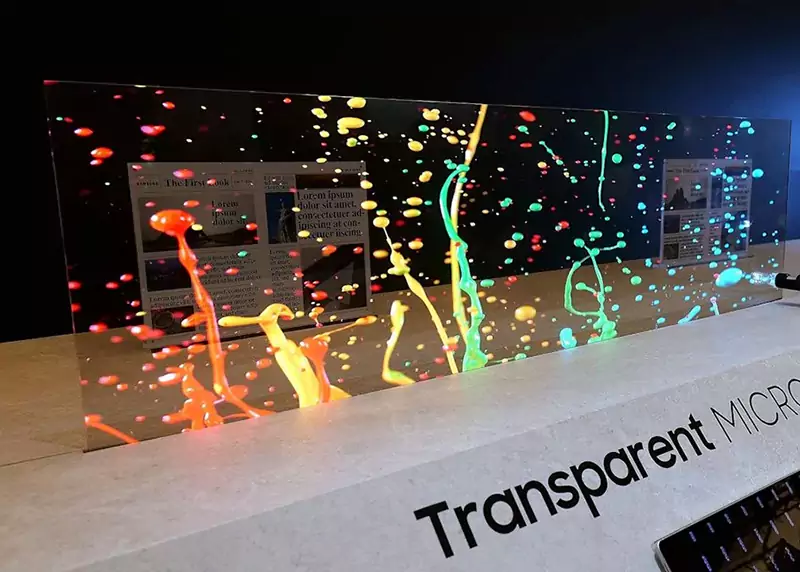
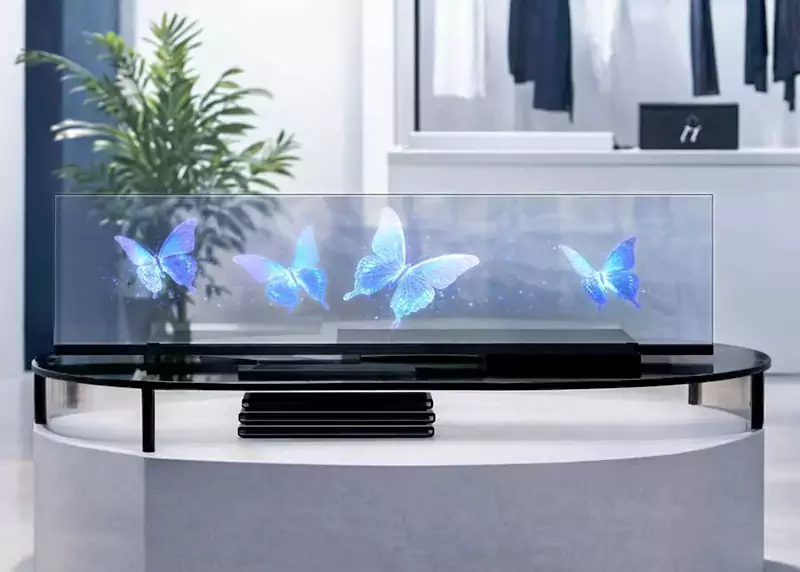
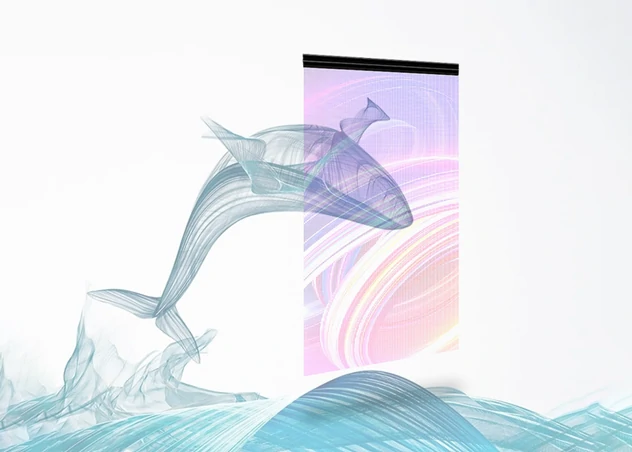
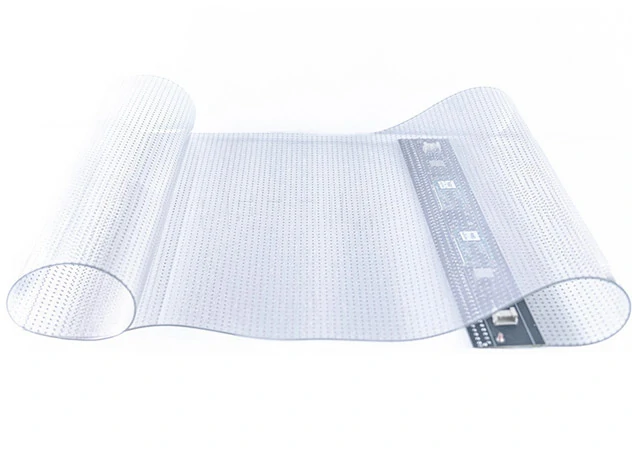
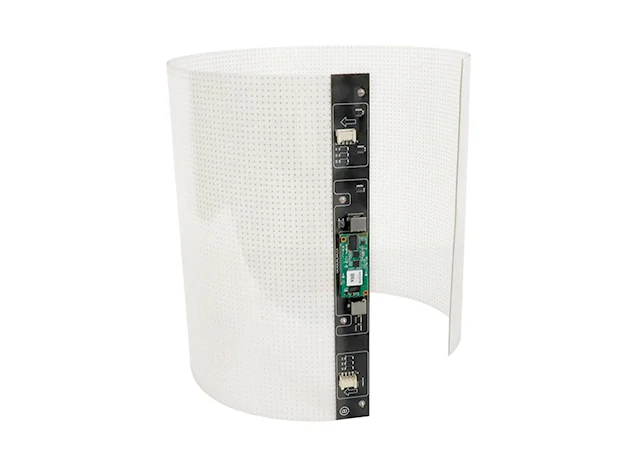
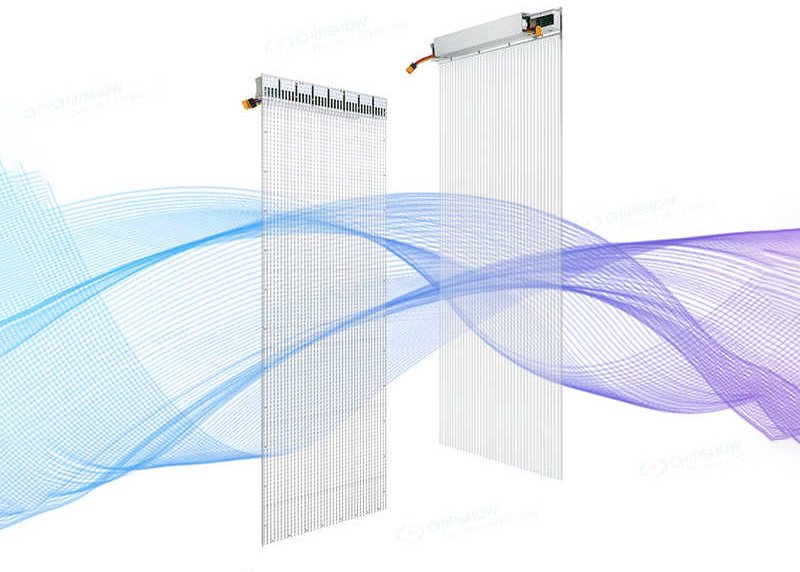
Transparent MicroLED—also called a transparent micro LED display or micro led transparent display—typically combines microscopic self-emissive LED pixels with a transparent substrate or glass, drive circuitry, and control components. The specific emissive materials, substrate, electrode, and packaging structure vary by solution.

You can display text, images, video, and motion graphics while retaining background visibility. You should test full-color reproduction, brightness, contrast, and transparency against your on-site lighting and content.

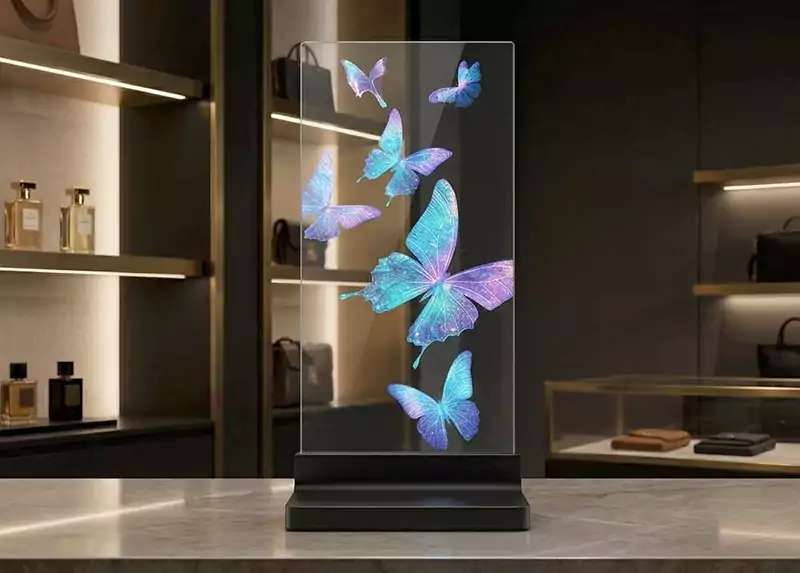
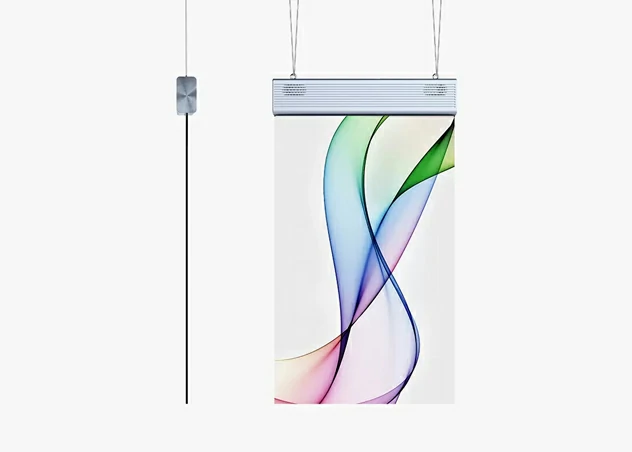
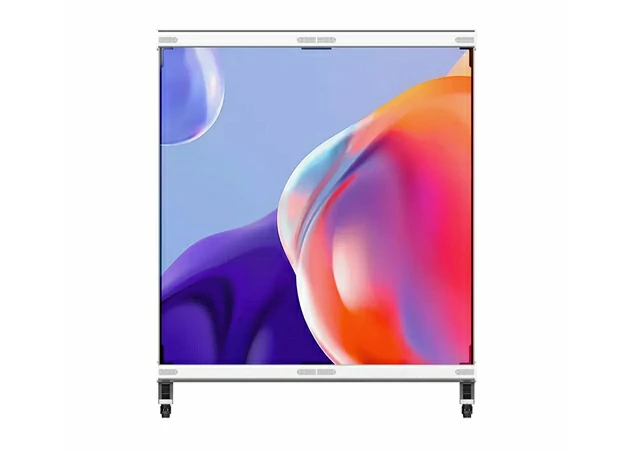
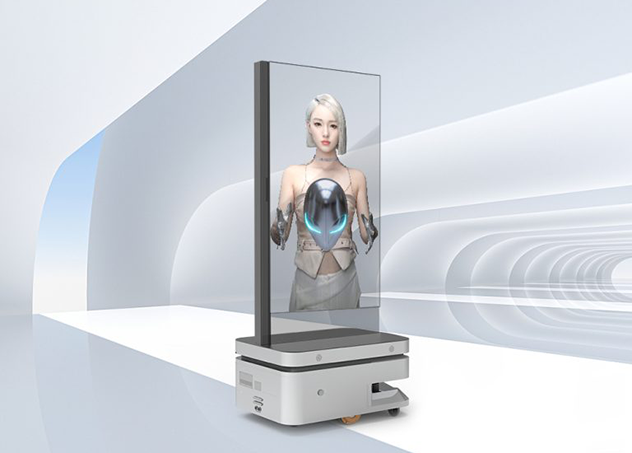
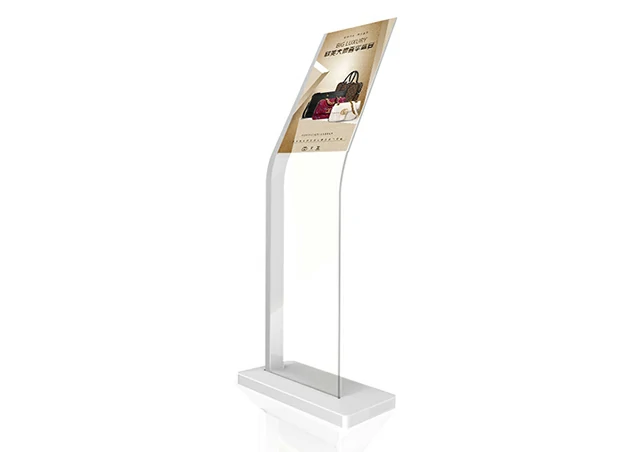
Common types include transparent display panels, glass-integrated displays, modular display walls, and showcase or information-display solutions. You should evaluate transparency, pixel structure, resolution, display area, viewing distance, control method, and mounting surface; KesyTech can help you confirm a suitable configuration or customization direction.

Transparent MicroLED Types for Your Project Review
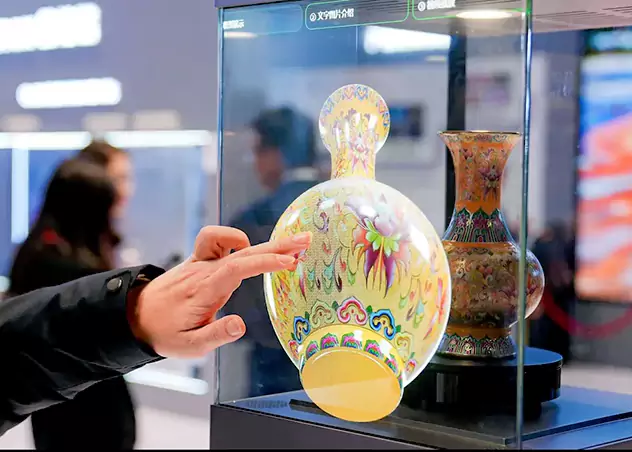
Transparent MicroLED Display Features for Your Project

  • 2k high resolution icon

    Vivid Color Performance

    Self-emissive microscopic LED pixels support high contrast, refined grayscale, and vivid color reproduction; final performance depends on panel data and on-site lighting tests.

  • kesy adaptability icon

    Flexible Content Display

    Compatible control systems support multi-format playback and content switching for text, images, video, and motion graphics.

  • kesy ductility

    Interactive Capabilities

    Touch, sensors, cameras, and external control interfaces can be integrated as required; compatibility depends on the hardware, software, and control system.

  • kesy puzzles

    Flexible Installation

    Module layout, mounting method, power and signal paths, and maintenance access can be configured for glass, showcase, or spatial structures.

Transparent MicroLED Applications for Your Project

You can evaluate transparent MicroLED when your project needs to present physical objects, the surrounding space, and digital content together. You should validate readability and transparency using your on-site light, viewing distance, content type, and installation conditions before selecting the final solution.
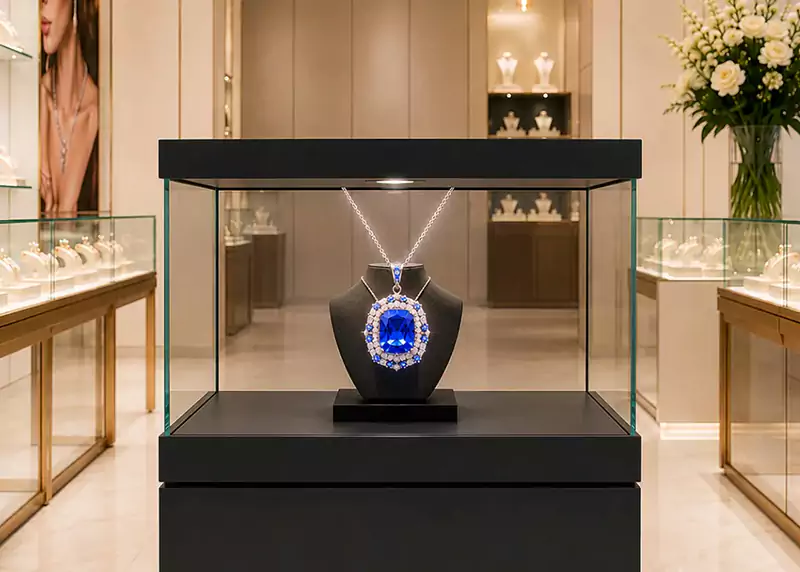
  • Retail Windows and Brand Showrooms

    You can overlay product information, motion graphics, or brand content while retaining a view of window merchandise and the store interior, and you can test your visuals separately in daytime and nighttime light.

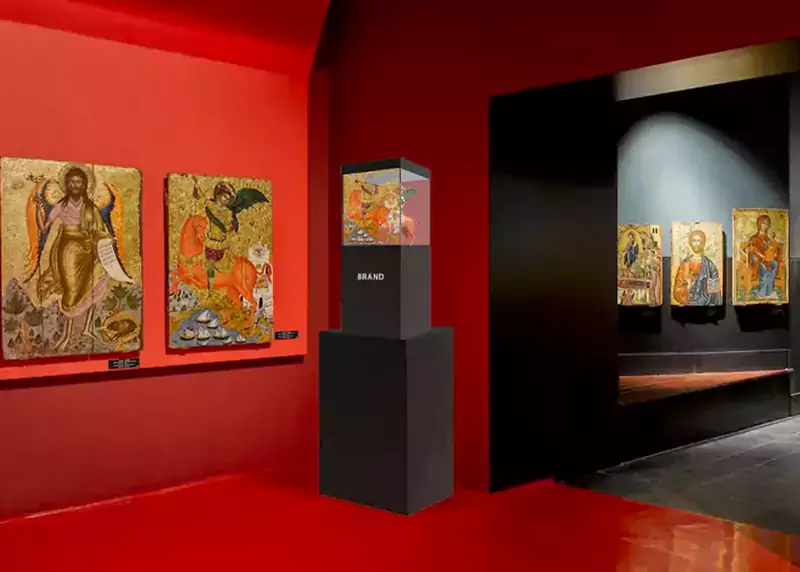
  • Museums and Exhibition Spaces

    You can place digital explanations and exhibits in the viewer’s sight at the same time, while controlling content density and contrast so the digital layer does not interfere with viewing the physical object.

  • Corporate Displays and Public Information

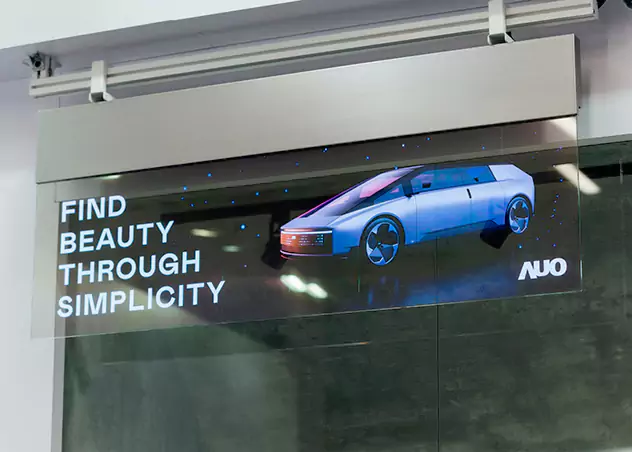
    You can present brand and wayfinding content in reception areas, experience centers, or information points, and plan your information hierarchy around text size, viewing angle, and update frequency.

Kesytech Supply and Production Support for Transparent MicroLED

You can rely on Kesytech’s commercial-display supply and project-coordination experience to define your transparent MicroLED requirements, confirm configurations, and prepare implementation.

Based on your application, dimensions, installation conditions, and delivery plan, the team can coordinate product, technical, material, and quality resources to give your procurement and project execution a clear basis.

  • Company and Sales Personnel's Commitment to Product Quality

    Your project can reduce quality risk through source and incoming-material control, professional inspection, workshop checks or spot checks by the project lead, and finished-product inspection. The team can also confirm material readiness, production scheduling, and milestones with you and address production exceptions early.

    These measures help you reduce shortages, waiting, rework, and avoidable delay risk. You should confirm specific inspection requirements and delivery milestones in your project plan rather than rely on an absolute delivery guarantee.

  • Transparent MicroLED Material Supply and Production Readiness

    Kesytech maintains a stable and complete material supply system and sufficient production-material reserves for transparent MicroLED projects. Whether you are placing a standard order or planning a larger-volume purchase, you can receive the corresponding material-readiness support.

    Sufficient inventory and material reserves let you order with greater confidence and reduce the risk of production waiting or supply disruption caused by material shortages; available inventory and production schedules remain subject to project confirmation.

    material reserves 1
  • led workshop 3

    Integrated Production Resources for Transparent MicroLED

    Kesytech builds strong integrated production capability for transparent MicroLED projects through production and assembly equipment, production manpower, material resources, technical and project personnel, professional quality inspectors, and inspection and testing support. Whether you have a standard order or a larger-volume project, you can receive coordinated support across production resources, quality inspection, and project coordination; specific resource arrangements remain subject to project confirmation.

Customers are all asking- FAQ

Customers often inquire about common questions, and you may find answers to your product-related queries here as well. If you still have any uncertainties, please feel free to contact our customer service directly.

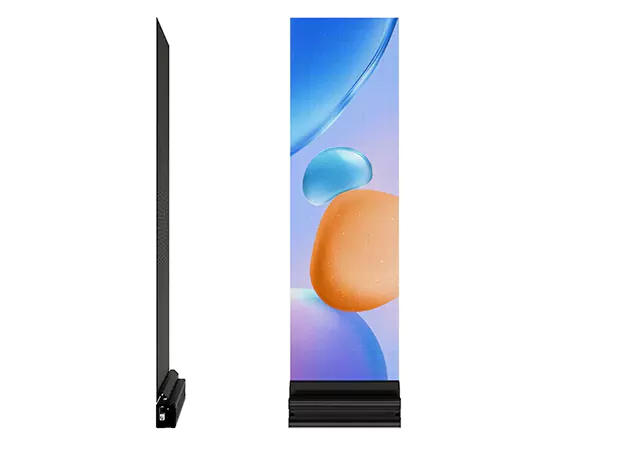
Answer: A transparent MicroLED display combines microscopic self-emissive LED pixels with a transparent substrate or glass structure, allowing digital content to appear while retaining background visibility. The exact panel architecture depends on the confirmed technical documentation.
Answer: Transparency, brightness, viewing distance, resolution, display area, background conditions, control method, and mounting structure require combined evaluation; one parameter alone is insufficient. The mounting surface, power and signal paths, controller location, and maintenance access also form part of the selection criteria. Purchasing decisions should be based on sample-test records, confirmed technical documentation, and actual project conditions.
Answer: Clarity depends on on-site illumination, background complexity, viewing distance, display brightness, text size, and image contrast; sample testing confirms actual performance.
Answer: The transparent structure is designed to retain background visibility, but pixel structure, wiring, transparency, content brightness, and background conditions affect the actual view; sample testing confirms the final effect.
Answer: Dimensions and configurations can be evaluated against installation size, display area, content requirements, and structural constraints; the final configurable or customizable scope depends on technical confirmation.
Answer: Installation preparation typically covers site dimensions, load and mounting-surface information, power and signal paths, controller location, maintenance access, acceptance requirements, and technically reviewed installation drawings.
Answer: Transparent MicroLED can display text, images, video, and motion graphics; supported formats, resolutions, and playback methods depend on the selected control system and confirmed compatibility.
Answer: Routine maintenance follows the project manual and covers the display surface, connections, power, control system, and display consistency, using only supplier-approved cleaning tools and methods.
Answer: Both are self-emissive transparent-display approaches, but pixel materials, panel architecture, brightness, transparency, size, cost, and supply format can differ; project comparison should rely on samples and confirmed specifications.
Answer: Quotation information typically includes the use case, installation dimensions, display area, viewing distance, ambient light, content type, transparency target, mounting method, quantity, and schedule for solution and pricing evaluation.


    Add a Digital Layer to Your Space with Transparent MicroLED

    When you want to retain the background, physical objects, and digital content together, transparent MicroLED gives you a self-emissive transparent-display direction; you can judge its fit for your space through a sample, on-site lighting, and project parameters.